Peet's Coffee
The original American dark roast, before Starbucks existed
Heritage TheaterPart of Heritage Theater — legacy brands that perform their own history — italian heritage, founding mythology, and tradition as the product itself.
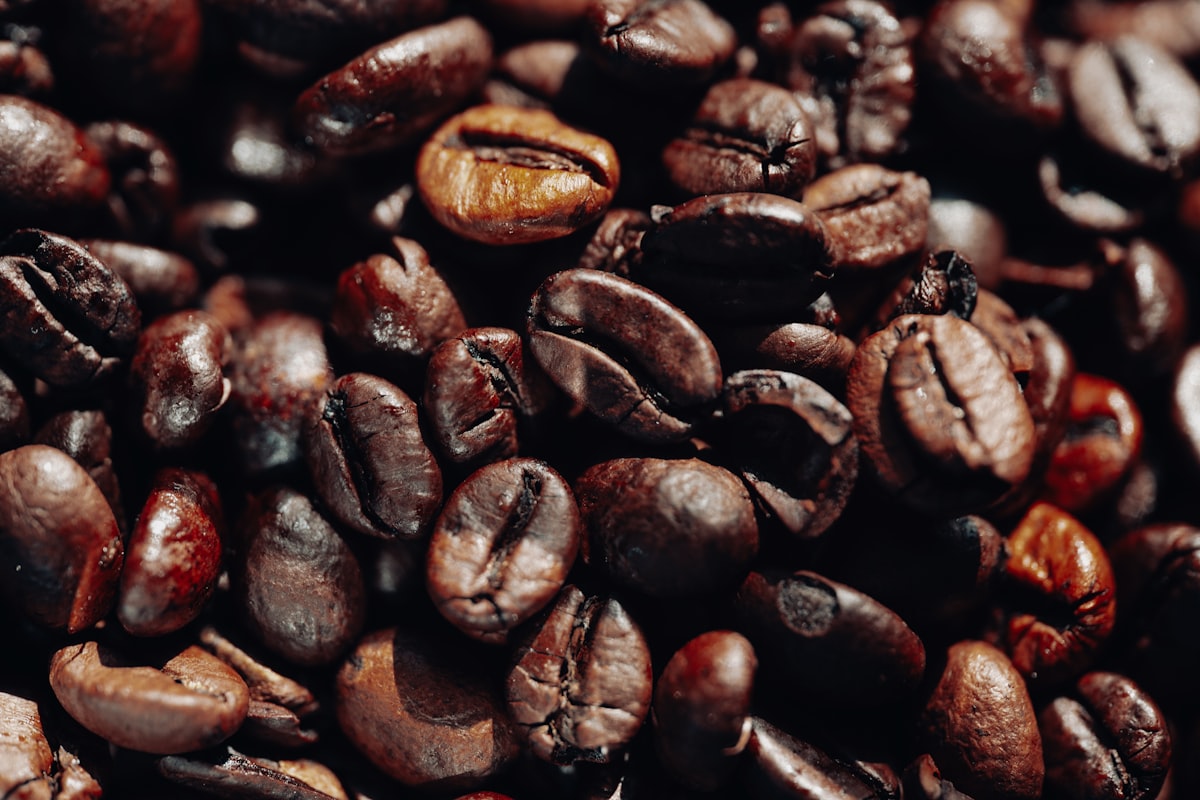
Alfred Peet opened his first store on Vine Street in Berkeley in 1966, and what he did there changed American coffee permanently. Peet had grown up in his father's coffee trading business in the Netherlands, and he was horrified by the thin, under-roasted coffee Americans drank. He sourced high-quality arabica beans from specific origins and roasted them deeply — darker than anything available in the US at the time. Customers who tried it couldn't go back.
The direct line from Peet's to Starbucks is well-documented: Jerry Baldwin, Zev Siegl, and Gordon Bowker — Starbucks' three founders — learned to roast from Alfred Peet, bought his beans for their first years of operation, and built their early identity on his dark-roast philosophy. When Starbucks grew into a global phenomenon, it carried Peet's DNA with it, and Peet's was left as the smaller, more 'authentic' alternative in its own origin market.
Today Peet's operates over 200 cafés, mostly in California, and a significant grocery and subscription business. The company was acquired by JDE Peet's (now part of JAB Holding Company) and in turn acquired Stumptown and Intelligentsia — making the original mentor of Starbucks also the corporate parent of two of the third wave's founding roasters. The circularity is almost poetic.
Design Vocabulary
Dark wood, warm lighting, and earthy tones that evoke a 1960s Berkeley sensibility — intellectual without being academic, warm without being rustic. Peet's stores consciously reject both Starbucks' mass-market polish and third-wave minimalism, positioning themselves as the dignified elder of American specialty coffee.
Sourcing Philosophy
Small-lot sourcing with an emphasis on deep, developed roast profiles. Peet's roasting philosophy is the opposite of third-wave light roasting — they believe darker roasts reveal complexity rather than hiding it. The company's buyers maintain long-term origin relationships, though the sourcing narrative is less prominently marketed than at third-wave chains.
Notable Locations
Vine Street
Berkeley, United StatesThe original store, opened in 1966 — where Alfred Peet introduced Americans to properly sourced, dark-roasted coffee and inadvertently launched an industry.
Embarcadero Center
San Francisco, United StatesA flagship in San Francisco's financial district that represents Peet's core market: educated, coffee-literate Bay Area professionals.
Timeline
Alfred Peet opens on Vine Street, Berkeley — introduces dark-roasted specialty coffee to America
Creates Major Dickason's Blend, which becomes the house signature
Teaches Starbucks founders Baldwin, Siegl, and Bowker to roast
Alfred Peet sells the company; expansion beyond Berkeley begins
Acquired by JAB Holding Company (later JDE Peet's)
Acquires Stumptown and Intelligentsia — the mentor owns the students