Architectural Minimalism
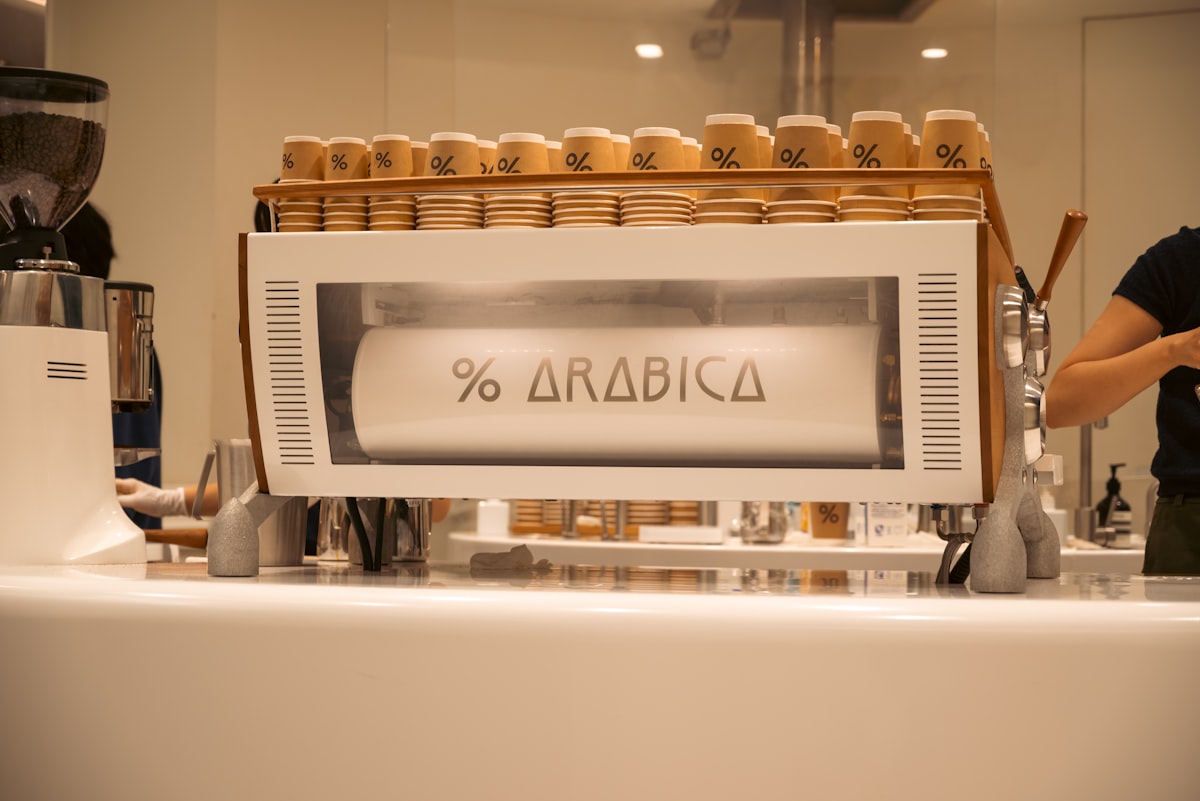
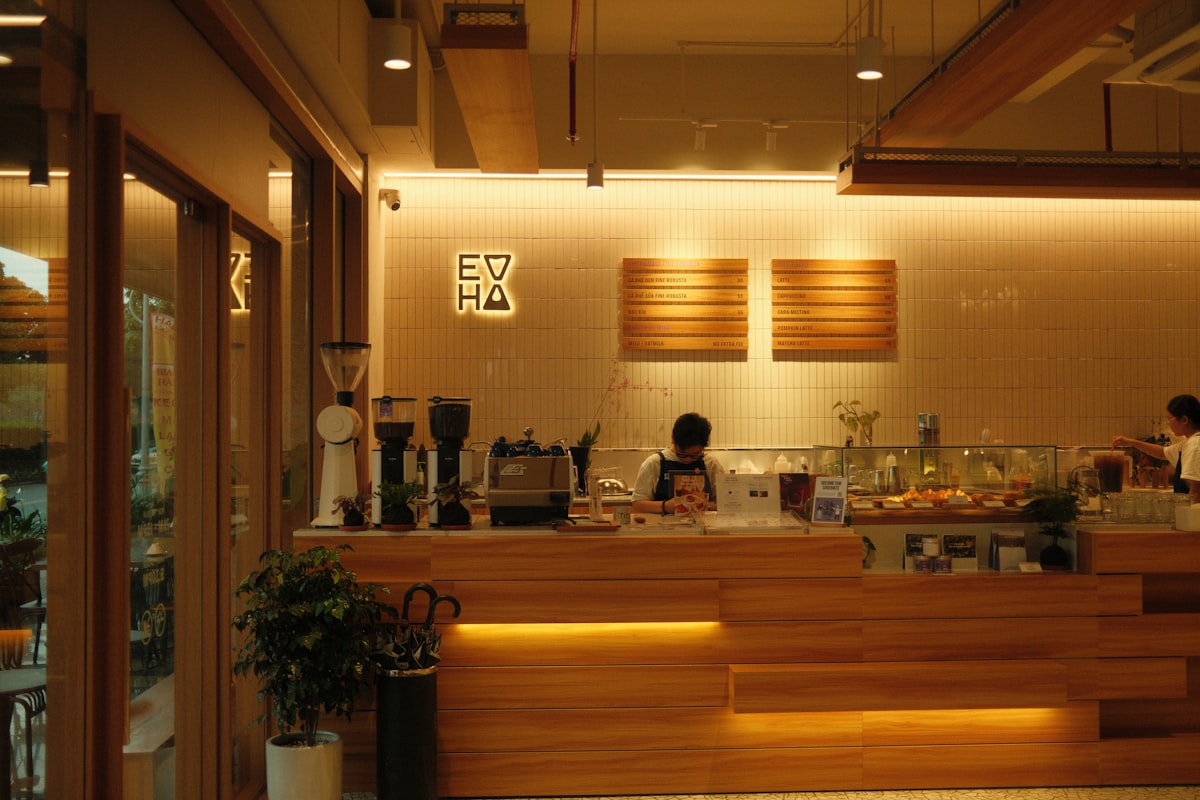
These chains don't just serve coffee in beautiful spaces — the space is inseparable from the brand. A % Arabica in Kyoto and a % Arabica in Kuwait share an architectural language so consistent that the coffee almost becomes secondary to the geometry of the room.
The minimalist approach has roots in Japanese design philosophy, where restraint signals confidence and empty space does real work. But it's also a commercial strategy: a visually striking, highly Instagrammable interior drives foot traffic in ways that a great espresso blend alone cannot. The cynical read is that these are aesthetic shells. The generous read is that they've understood something about how environment shapes the experience of drinking coffee.
Omotesando Koffee took this furthest — a traditional Japanese house converted into a single-counter coffee bar, where the architecture was so much the point that when the original location closed, the brand's identity survived intact in completely different buildings across Asia. The coffee was good. The concept was better.